Contents



Business and system analysis for major projects
The analyst's mission is to find solutions to IT issues and challenges of the business through the implementation of turnkey IT services and customizations to the implemented IT systems.
It is essential not merely to find a solution but to find the fastest solution for implementation considering the specifics of a particular business and industry standards.
Thus it is necessary to provide the performers with an accurate formulation of the task so that it is complete, consistent and verifiable to ensure predictability and manageability of IT development for business.
Customers:
- Companies incurring high financial and time costs for development
- Companies seeking to focus IT efforts on increasing profits
- Companies implementing new business models
Businesses are not often getting what they expected from IT developers. A typical answer is that it was written in the statement of work, and the performer interprets the omissions as understood. The document itself often contains a thorough description of system requirements with no correlation with actual processes and no indication of how people will work or why it is impossible to ensure the same business result easier and faster.
In reality, planning, execution, and control of a process are easier and faster done when combining IT systems. However, a statement of work for the development of a single software product does not provide IT coverage for the entire process, which leads to certain issues.
If developers rely on a statement of work, which does not correlate with the customer's goals and actual processes, they will create software that will result in unexpected inconsistency problems when implemented.Sometimes these inconsistencies can be so significant that the implementation of the developed solution requires another solution. Frequently, the necessity of full process support at implementation entails an unpredictable plethora of customizations making the implementation process unmanageable. Quick fixes and modifications implemented through temporary solutions create a "technological debt", which eventually significantly hinders the development of systems and business, including the correction of errors accounting for up to 80% of all work performed.
The profoundly detailed elaboration of the statement of work for the developer, including the elaboration of exceptional situations, requires a lot of time from the business customer and exposes the performance of the main job to risks.
An in-house IT analyst engaged from other projects and having extensive knowledge of internal processes will often solve such a task for the first time, without relying on the experience of similar projects, thus, reinventing the wheel which will eventually be broken due to uneven distribution of expertise of managers directly responsible for specific areas.
A competent IT analyst is guided by a business challenge to investigate existing systems, ongoing processes and business constraints and, based on the experience of similar tasks, market experience, and analytical and design techniques, will find the fastest solution to the issue and decompose it for all performers. In the event of large-scale business tasks, IT support should be supplemented by the formation, change or simplification of the process to achieve the desired result. As a result, the customer's business will get a predictable development of IT support.
Business benefits:
- Reduced time to market, reduced time to return on change
- Pace of obtaining the desired result based on a similar experience
- Predictability and manageability of IT development
Typical process steps
A successful start has three components.
- The formulated request of the customer to change something
- Access to experts in this market segment
- Understanding of the customer's business model, positioning, competitive differentiation and specifics
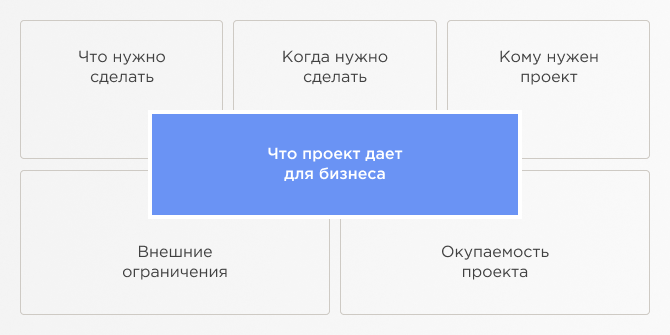
Correlating the idea of change with business challenges and issues allows understanding the issues to be solved to the extent that the customer could save time on delving into the details of the formulation and spend it on what is really important.
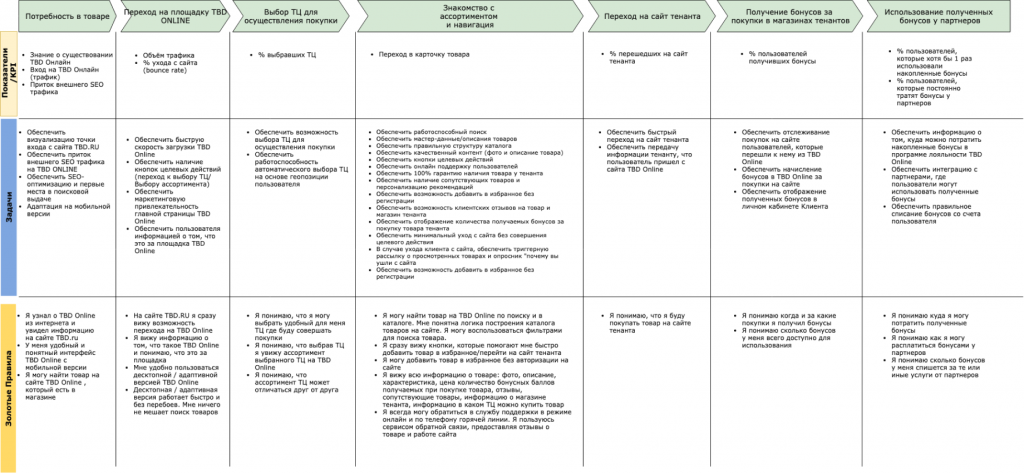
In case of a change in the process of customer service, the focus is on the customer, his goals, pains and joys (gains), after which scenarios for achieving the goals are analyzed, an audit of the convenience of achieving these goals is conducted. Web analytics and UX auditing allow finding hidden problems and assessing their importance.
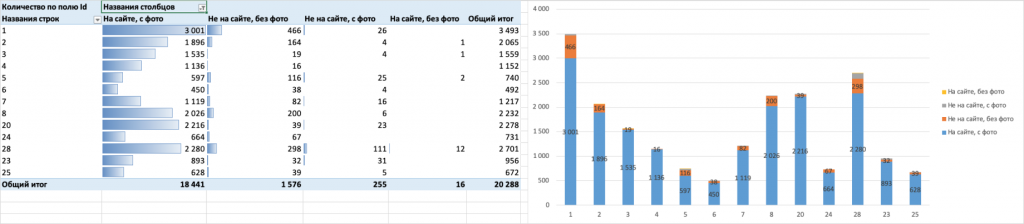
We deal with business processes. The step of the process giving the basic value from changes is placed in focus. Its performers give the most valuable information. Data analysis and interviews with performers reveal additional aspects of the problem and allow to determine the impact of problems on the result.
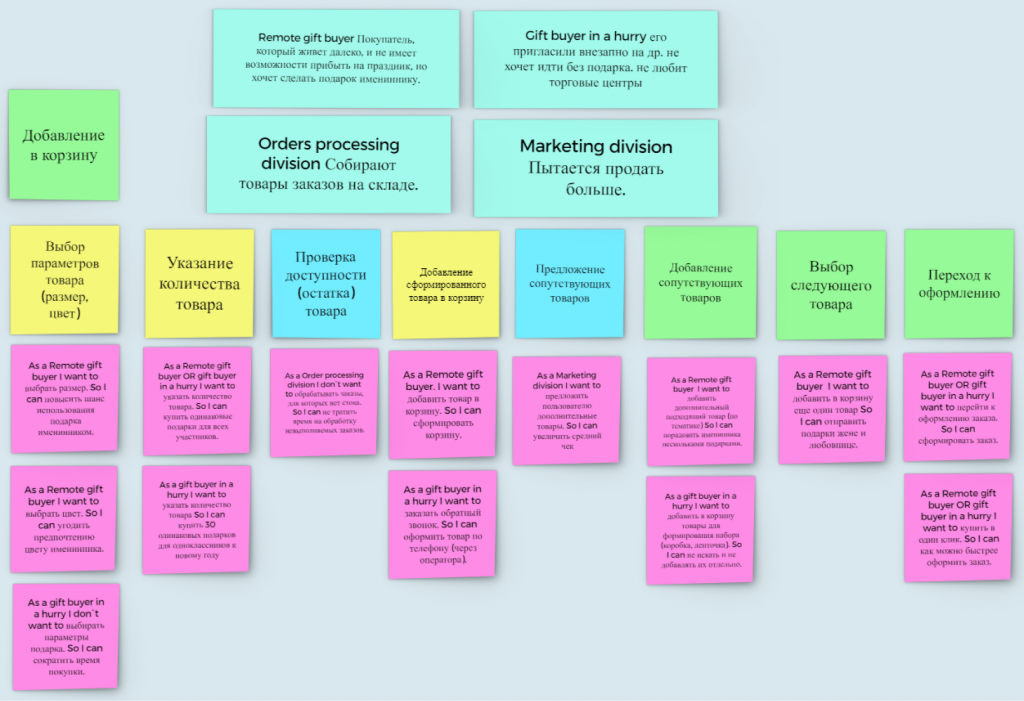
Then there is a transition from problems to solutions: Based on the problems identified, the situation, the capabilities of the IT tools and the experience of the experts, the solutions to be made are created. . Often experts know ready variants of IT decisions, it remains only to link them to the introduced decisions. That it is impossible to receive in a ready kind is formulated as functional requirements.
Does the process work as intended? How do you know that the change has benefited? What information is missing to make decisions about process management? Designing changes should start with ways to measure the result and control the quality of the process output in the form of reports, metrics and measurements.
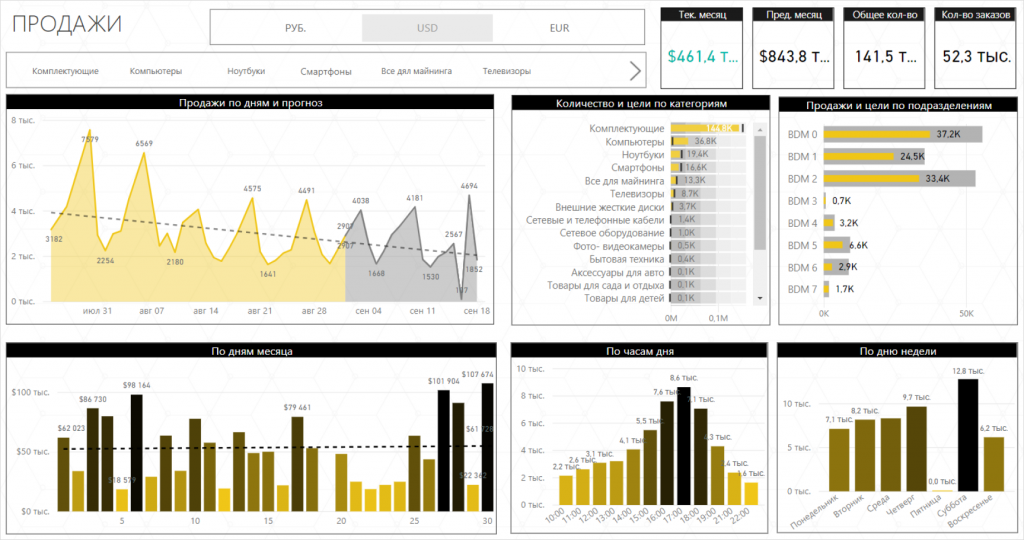
New features and information required by customers and key executives require changes in processes before and after the point of change in question. This generates a direct wave of secondary changes and a reverse wave of refinement due to related constraints.

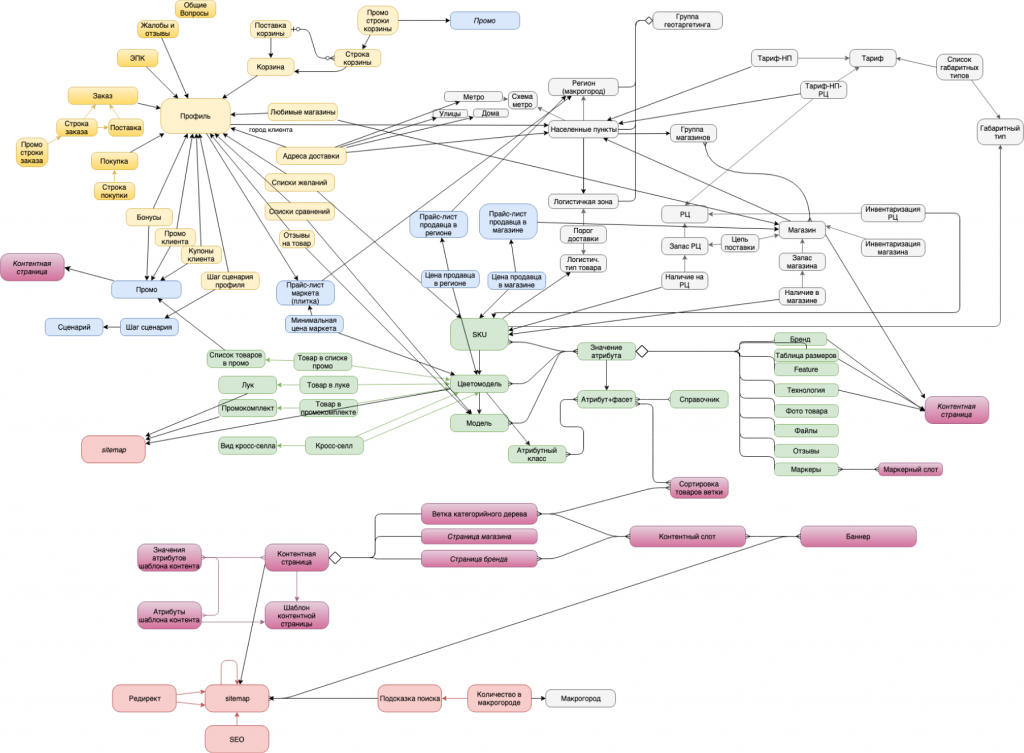
Changes in processes lead to changes in the data of these processes. In order to check the completeness of the required information, a data scheme is built on the basis of the planned metrics and measurements. The quality of the scheme is checked through the absence of doubles, methods of minimization and correlation of processes, entities and statuses.
Requirements to change IT systems along with ideas to use ready-made tools are checked for exceptions. Build a use case to identify exceptions for processing. Frequent exceptions must be eliminated, a possible problem detected must be solved at the login to the process. Rebuilding of logic of work of the user and restrictions of the entered data solve this problem (completeness and consistency are checked through correlation of these three specifications).
How does the script look, on the example of authorization on the site via email
(System) Log in to the website to access your personal cabinet. - (sea level)
Context: Non-authorized client logs on to the site to be recognized by the site and show personal information for him/her: browsing history, shopping, current bonus points, etc.
Level: user purpose
Primary actor: customer (visitor to our online store)
Participants and interests:
- the marketer wants the maximum number of visitors to the site to be identified for greater coverage of personal mailings
- the security specialist wants there to be no unauthorized access to the visitor's personal data.
Prerequisites: the visitor must not be authorized.
Minimum guarantee: the visitor learns the fact of successful or unsuccessful authorization attempt.
Guarantees of success: the visitor is authorized
Trigger: website visitor launches authorization script
Basic scenario:
- Customer starts authorization
- System confirms whether the client is already authorized and the number of unsuccessful attempts to authorize
- System counts the number of authorization attempts
- The system displays to the client the authorization form
- Customer enters email and password
- System confirms the presence of a client with such an email in the system and that the password matches and the number of attempts to login to this account is not exceeded
- System authorizes the client, adds the browsing history and shopping cart of the given session with the last session of this client account
- System displays the message of authorization success and goes to the step of the script from which the client interrupted authorization with the display of personal data on pages
Expansions:
- The system notifies the client about the fact of the previous authorization and offers either to interrupt the script or go to step 4, and if step 6 is successfully completed, step 7 is performed with the specification
- System deactivates a client under an old account, authorizes a client under a new account, the history of viewing and shopping cart of the given session remains in the old account, the new account does not go further
- The number of authorization attempts from this ip has exceeded the X threshold in the last Y minutes
- Moving on to step 4, the authorization form additionally displays the captcha
- System confirms correct capture input
- Kapcha entered incorrectly
- System increases the counter of unsuccessful authorization attempts and under this account
- System displays a failure message and returns to step 2
- Account with this email is not detected
- System shows a failure message and goes to step 2
- The password from the account with this email does not match the one entered
- System increases the counter of unsuccessful attempts to login to this account
- System displays a failure message and offers a choice of either go to the script Restore password or go to step 2
- The account login attempt counter for the last Y minutes exceeded X times
- System displays a message about logging in to the account during Y minutes and goes to step 2
List of changes in technology and data:
- Using the Cappie
- Auxiliary information not available
Requirements for performance, data volume, security, workstation and browser options, and reliability complement the functional requirements to move into system design and selection.
It makes no sense to do all the requirements in one system when there are ready modules and solutions and part of them is implemented at the customer. (In addition, let us emphasize the trend of replacing monolithic applications with a related set of microservices). There is a comparison of functional requirements and ready modules and solutions of the customer, showing where to improve.
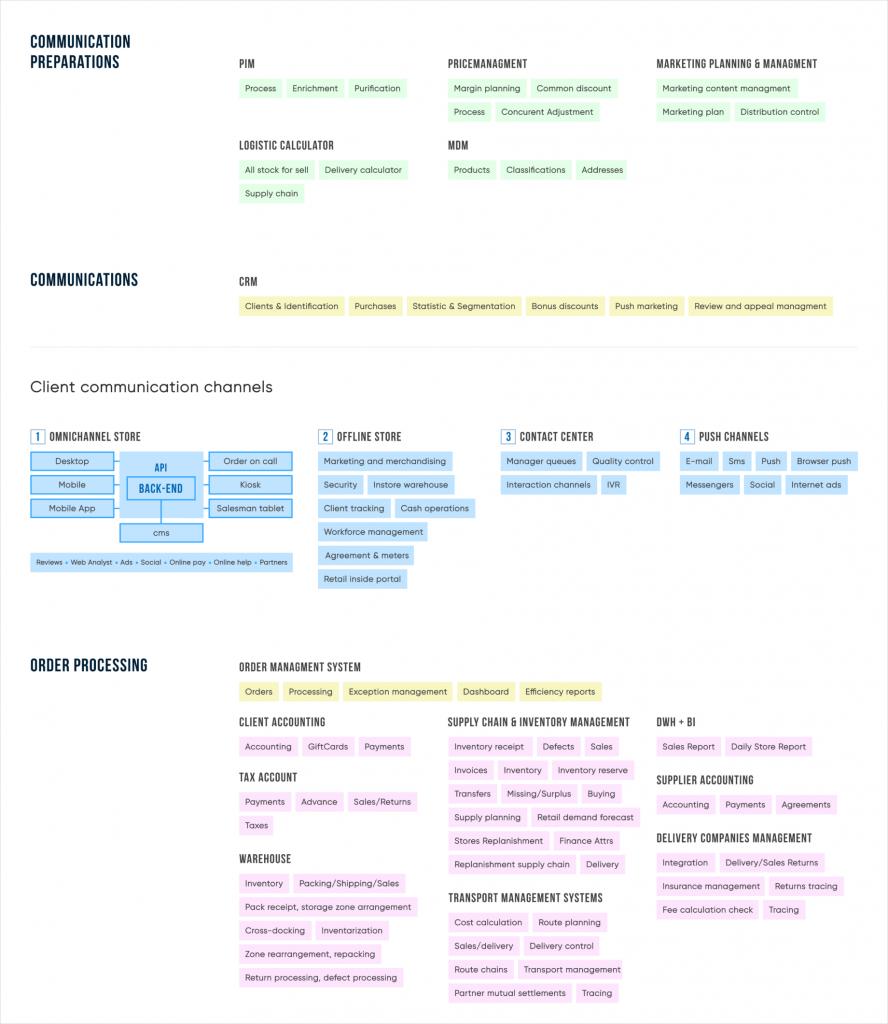
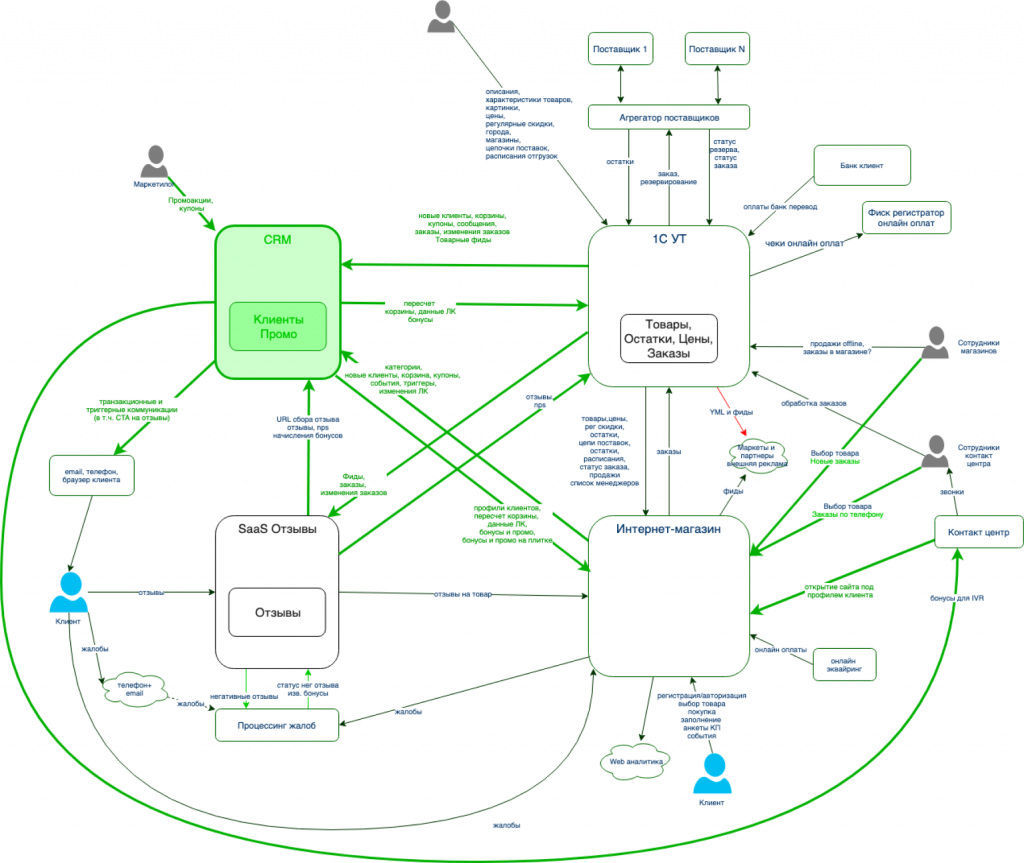
Different modules need to be integrated. The process description provides insight into when, how and what information one module should pass on to another. Integration scenarios are developed. The presence of an integration bus speeds up the integration work.
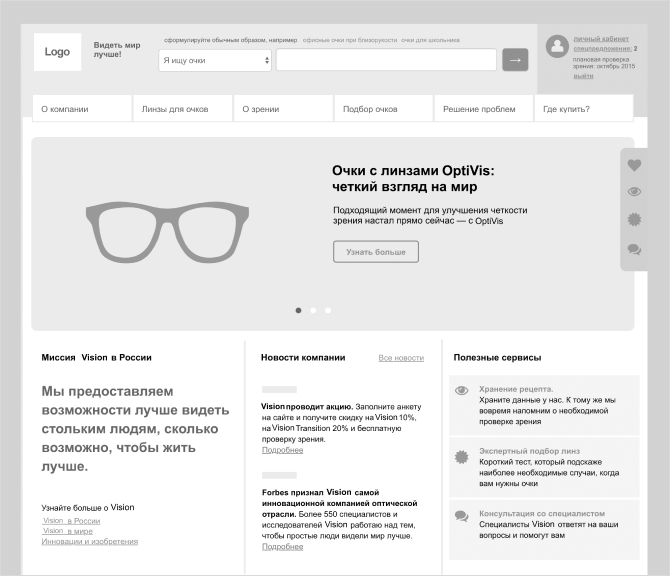
Improvements to the site and internal systems require interface design. Consistent use cases, proven to be free of frequent exceptions, schematics and data structures provide an excellent opportunity to make design prototypes. During the prototyping process, the design is trimmed to achieve a better price-performance ratio.
Acceptance scripts allow you to check the final quality of the work performed and serve as a basis for manual and automated testing.
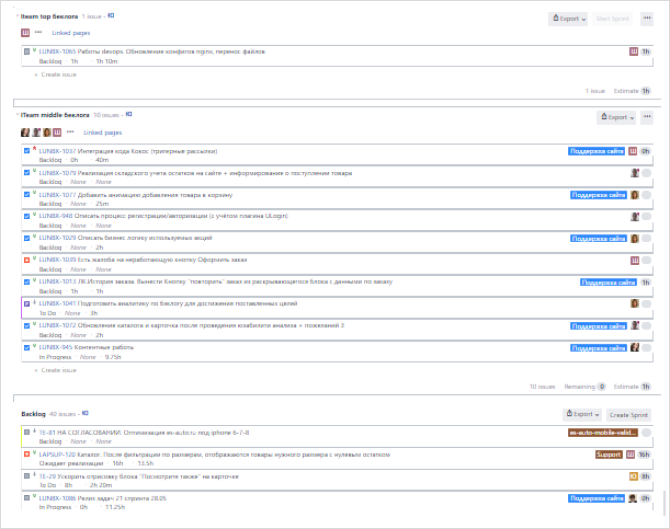
Slicing the requirements into tasks for performers, taking into account their quality requirements, completes the production part of the work.
The acceptance of the developed result creates positive feedback, allowing analysts to grow and improve.
Outsourcing & Outstaffing
IT outsourcing & outstaffing

Development and integration
Development and support of High-Load IT projects

Back-end-development

Automated testing solutions (QA)

1C-Bitrix development
Front-end development
Retail support
Implementation of omnichannel marketing

Design & UX
UX design concept development

Business and systems analytics
Comprehensive digital analytics

Business and system analysis for major projects
